Product Details
Discuss your application or request a sample
Start with the surface you need to finish
A useful inquiry explains the incoming surface and the result that will be accepted. Identify the workpiece material, any coating, the preceding preparation stage and the polishing compound under consideration. This makes it possible to evaluate a felt wheel as part of a process rather than choosing by color or size alone.
A solid wheel range needs complete variant descriptions
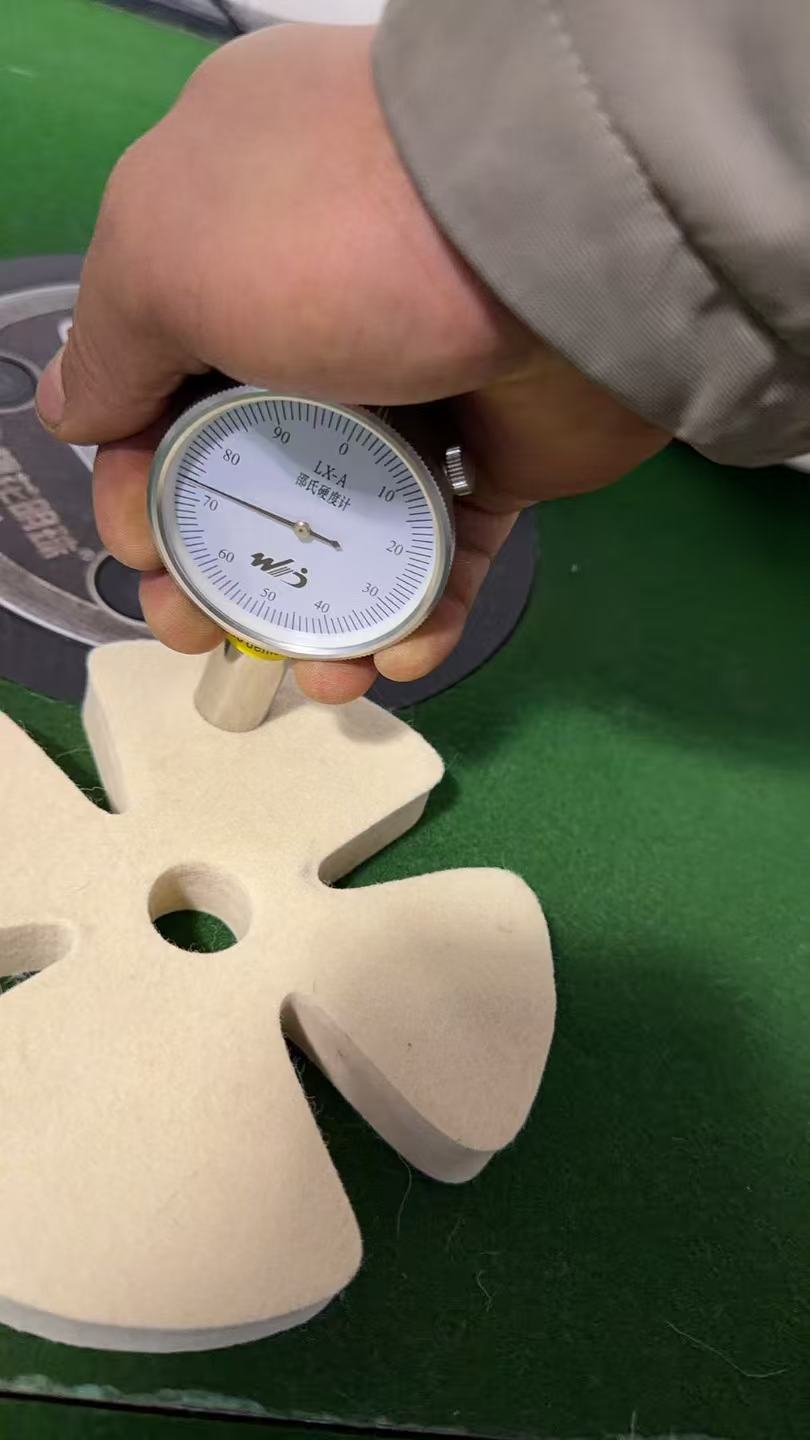
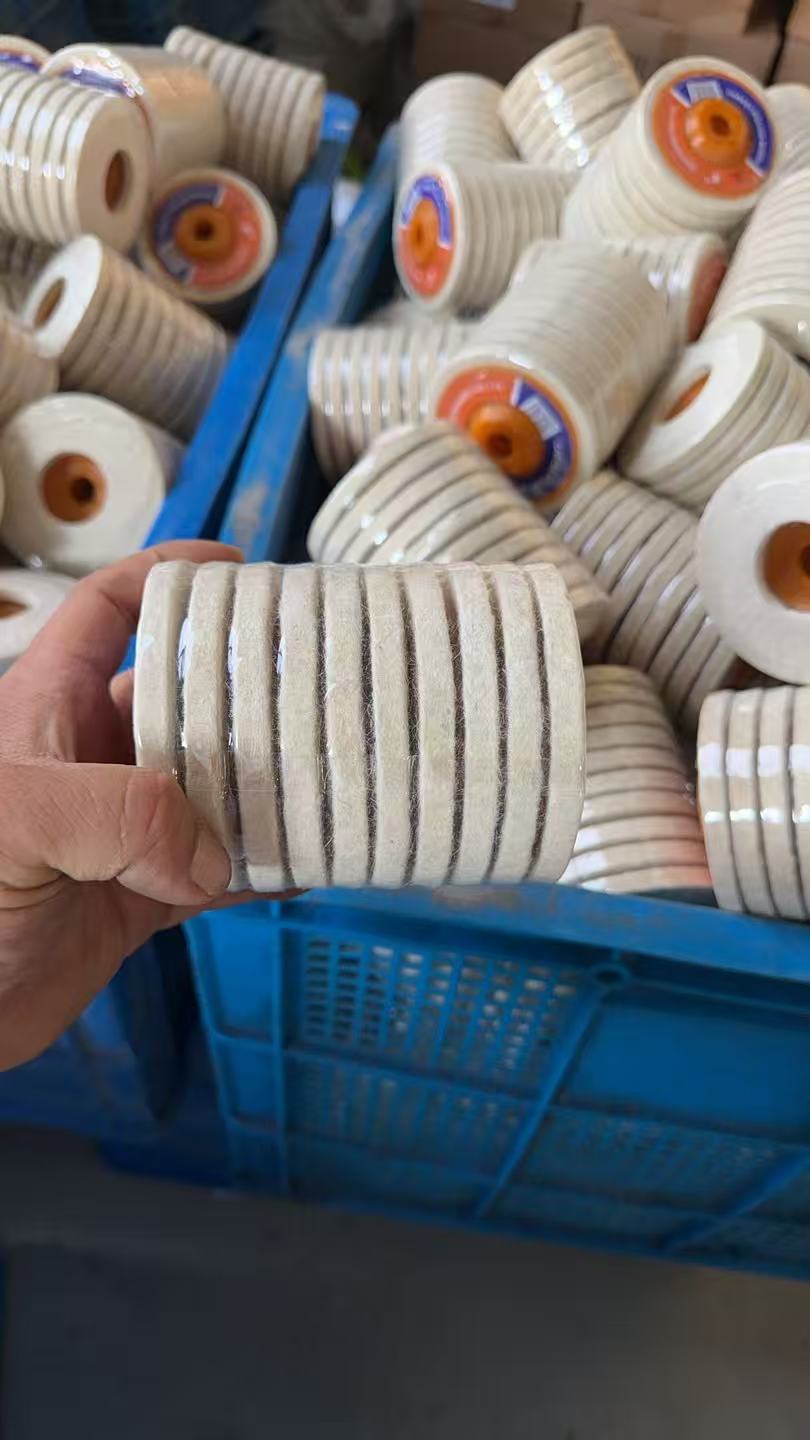
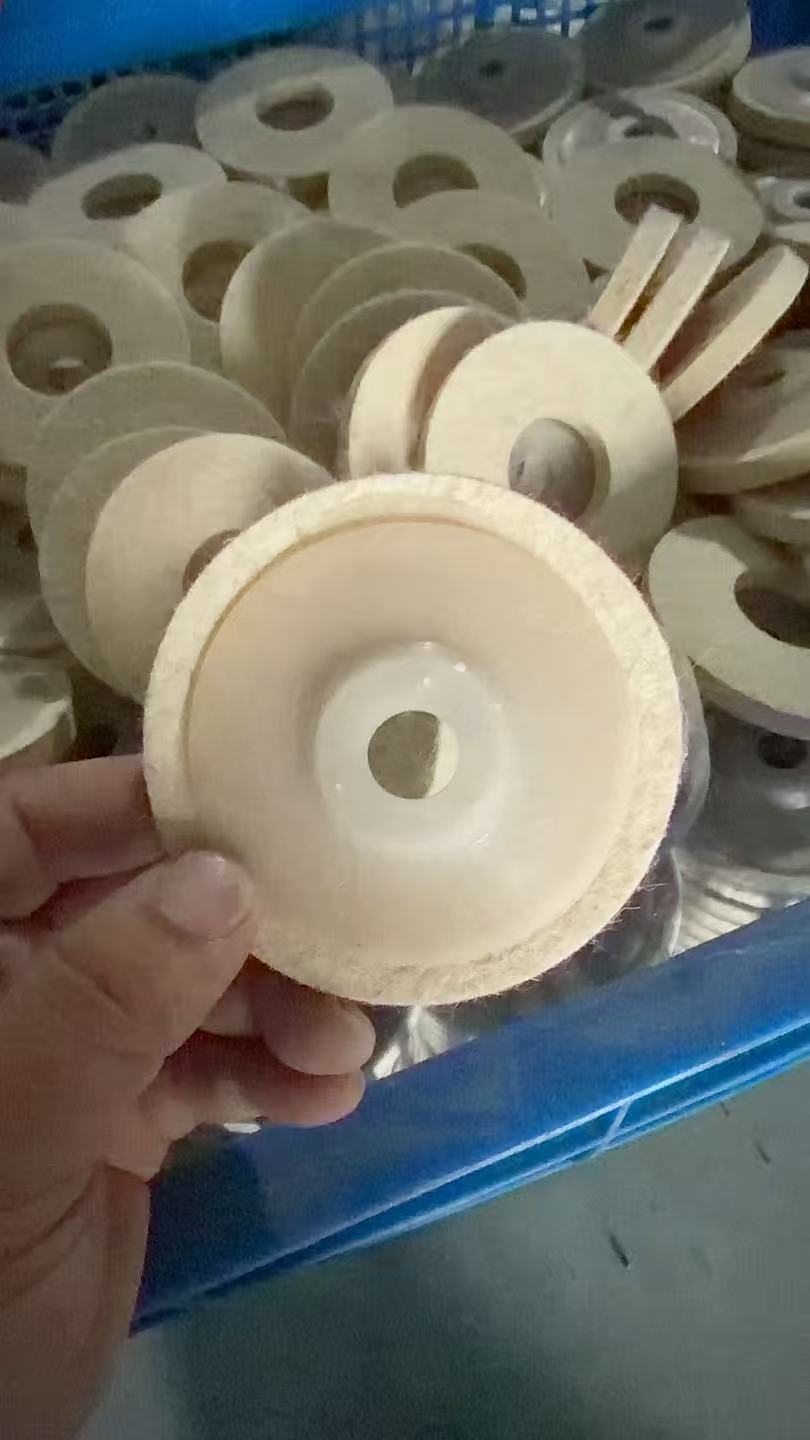
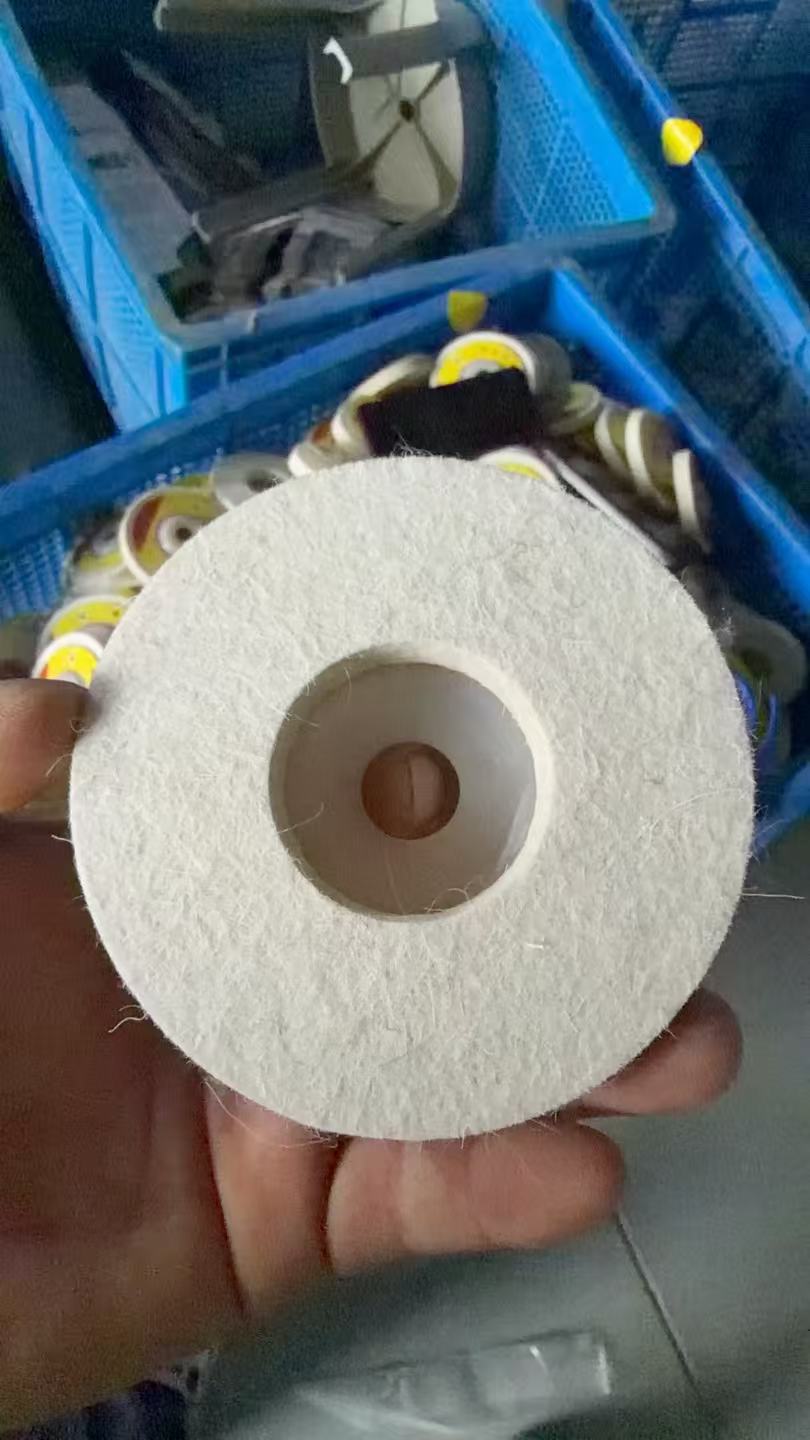
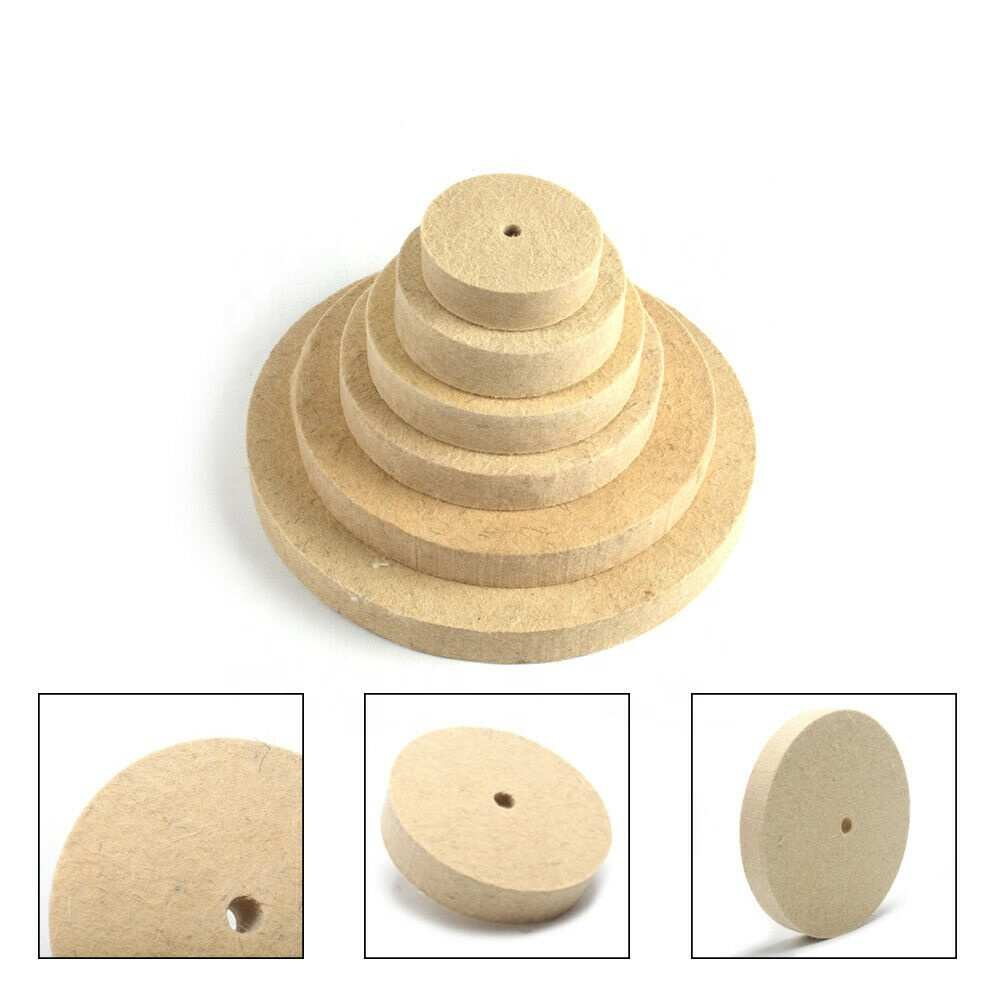
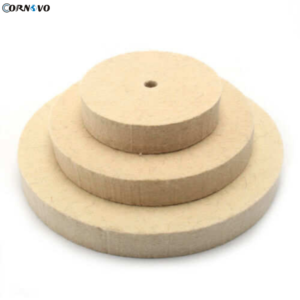
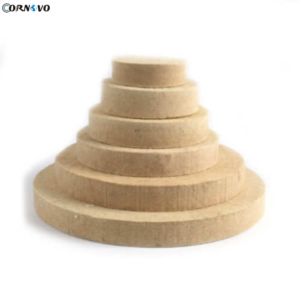
Every orderable variant should identify outside diameter, thickness and bore. Where density or hardness is part of the process, include it in the specification as well. Two beige round wheels can differ significantly in their physical fit and material construction even when they appear similar in a photograph. Keep each accepted variant separate in purchasing records.
Use a sample to define the finish standard
Choose a representative part and agree how the surface will be inspected. Keep the approved compound, machine setup and preparation stage in the sample record. Where appearance is the acceptance criterion, use consistent viewing conditions and a retained reference. Where dimensions matter, include the relevant inspection rather than relying on visual gloss.
Application scenarios to evaluate
Use these scenarios to define a sample trial; suitability depends on the supplied specification and approved process.
| Buying situation | Selection focus | Trial objective |
|---|---|---|
| Standardizing a solid-wheel polishing stage | Complete geometry, felt specification and compound | Keep the approved wheel and finish reference together. |
| Planning several wheel sizes for a workshop | Machine-specific dimensions and application | Identify each size, thickness and bore combination separately. |
Specifications and selection details
| Nominal sizes | 3, 4, 5, 6, 7 and 8 inches; custom sizes by inquiry |
|---|---|
| Product material | Wool fiber |
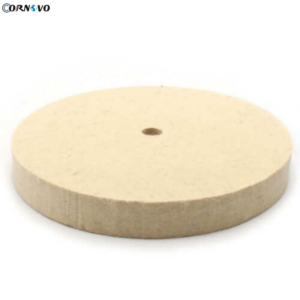
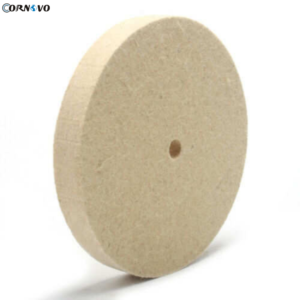
| Construction construction | Solid round felt wheels with center bores |
| Order by | Outside diameter × thickness × bore, plus density or hardness and rated speed |
Choose between solid, backed and mounted felt formats
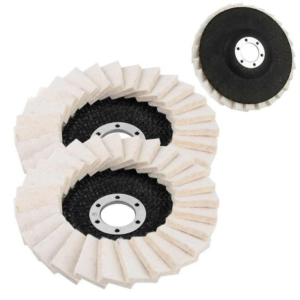
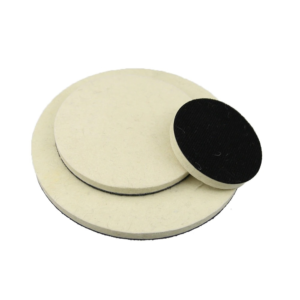
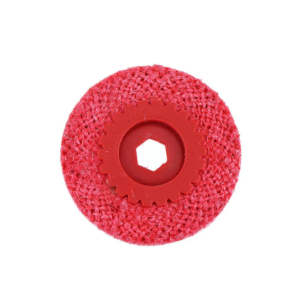
This range covers solid wheels with center bores. The green-backed wheel introduces a different assembly; the hook-and-loop disc uses another attachment system; the mounted felt wheel has a shank. Compare those formats when the equipment or contact area calls for them, rather than assuming all felt accessories are interchangeable.
Make repeat orders easier to inspect
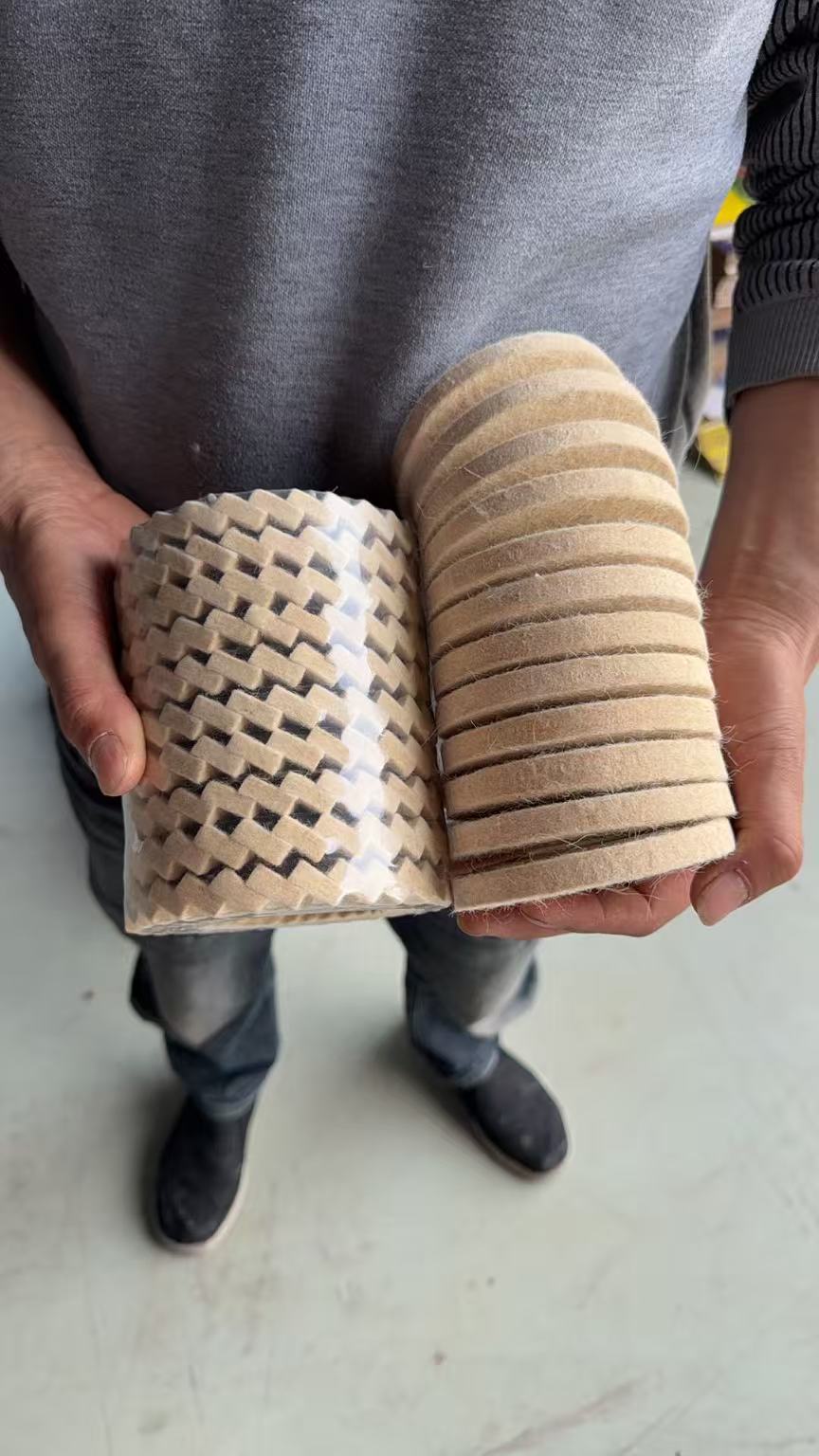
A strong reorder specification pairs the dimensions and felt designation with photographs and an approved sample reference. Record packaging quantity and the markings needed to identify the item. When a shipment arrives, compare those details before introducing it into production. A consistent product identity gives the team a clear basis for raising any mismatch.
Qualify the wheel as part of the finishing sequence
Begin with the condition of the part before polishing. Define the required appearance and any dimensions that must be preserved. Use the exact approved wheel assembly and compound under their operating instructions, then inspect the finished feature using the agreed method. Retain the sample reference and process notes with the purchase specification. A later change in wheel geometry, felt construction or compound should be reviewed against that same acceptance standard.
Questions to investigate when the result changes
| Observation | What to review |
|---|---|
| The surface is brighter but defects remain | Inspect whether the defect belongs to an earlier preparation stage. Additional gloss does not prove that a scratch or dimensional problem has been removed. Reassess the sequence before extending the polishing operation. |
| Results change after a wheel replacement | Compare dimensions, mounting and the agreed felt specification with the approved sample. Also check whether the preparation or compound changed; a similar-looking wheel is not necessarily the same construction. |
| Uneven contact or unexpected vibration | Stop and inspect the assembly and mounting in accordance with the supplier's instructions. Check the actual fit and condition rather than trying to compensate with pressure or an improvised attachment. |
Frequently asked questions
Is a felt wheel a grinding wheel?
This range is presented for compound polishing. Do not assume it can replace a bonded abrasive grinding wheel for stock removal.
Is compound included?
Specify the compound requirement in your inquiry. Specify the compound separately and confirm suitability for the workpiece and finish target.
What does a good felt-wheel sample approval look like?
It identifies the exact wheel, compound, workpiece and process used, then records the accepted surface and any relevant measurements. Keep the sample reference with the order so a later shipment can be checked against the same specification.
How do I choose a polishing compound?
Start with the actual workpiece material, any coating and the finish required. Use the compound supplier's recommendations and evaluate it with the intended felt assembly. Do not select a compound solely because its color looks familiar.
Can one felt tool be used for every polishing stage?
Keep the process and possible carryover in mind. Separate, clearly identified tools can help control different compounds and workpiece materials. Follow the applicable cleaning instructions rather than assuming a used tool is ready for a finer stage.
How should a repeat-order specification be recorded?
Keep a dimensioned description, material designation where applicable, mounting details, approved operating information and sample reference together. Add the compound and workpiece used in the accepted trial so substitutions can be assessed meaningfully.
Request a sample or a defined wholesale quotation
Send your required size and mounting details, workpiece material, finish target and machine model. If replacing an existing item, include its marking and front, reverse and side photographs. State the sample quantity, expected order quantity, packaging requirements and destination.
Ask for the proposed specification, included accessories, price, sample terms and lead time in the quotation. For a repeat purchasing program, keep the approved sample reference and the agreed inspection criteria with every order.
Send your requirements to Cornovo Abrasive