Product Details
Discuss your application or request a sample
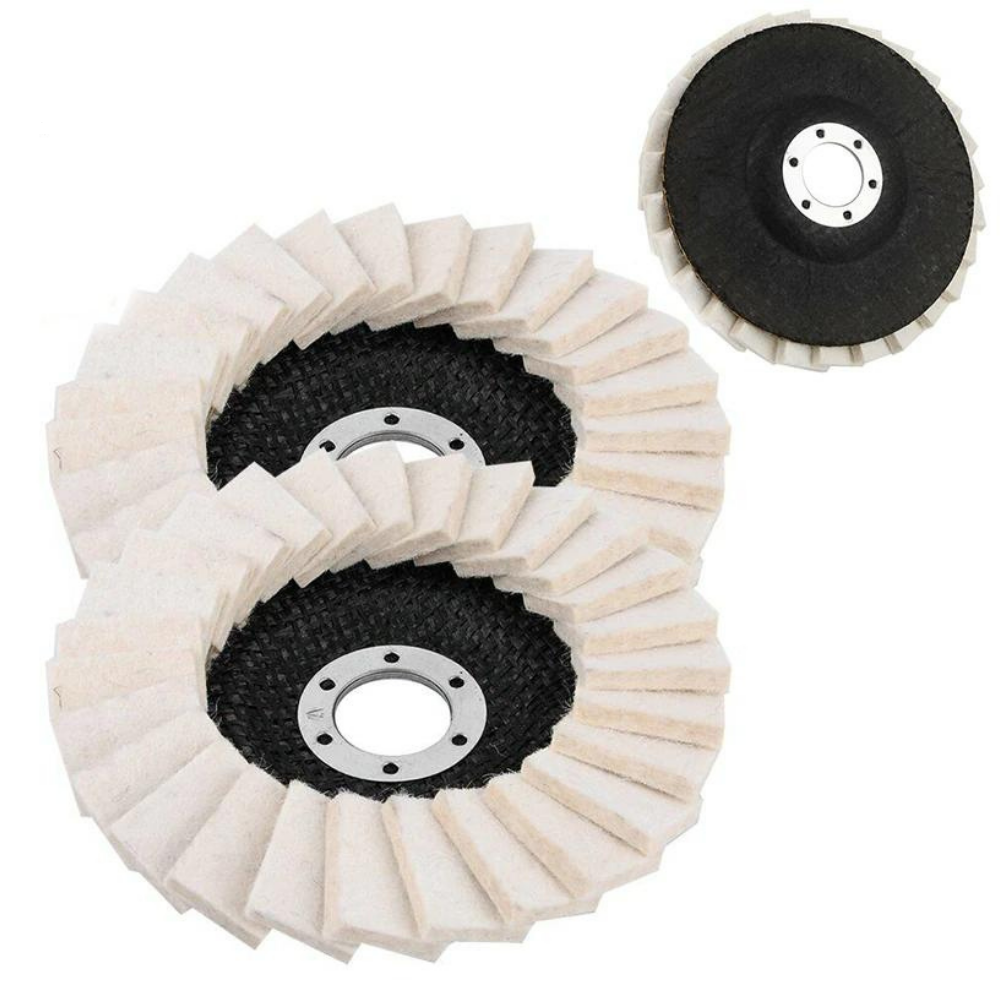
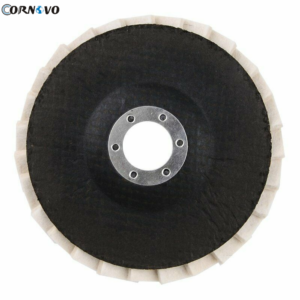
The flap arrangement is the product's defining feature
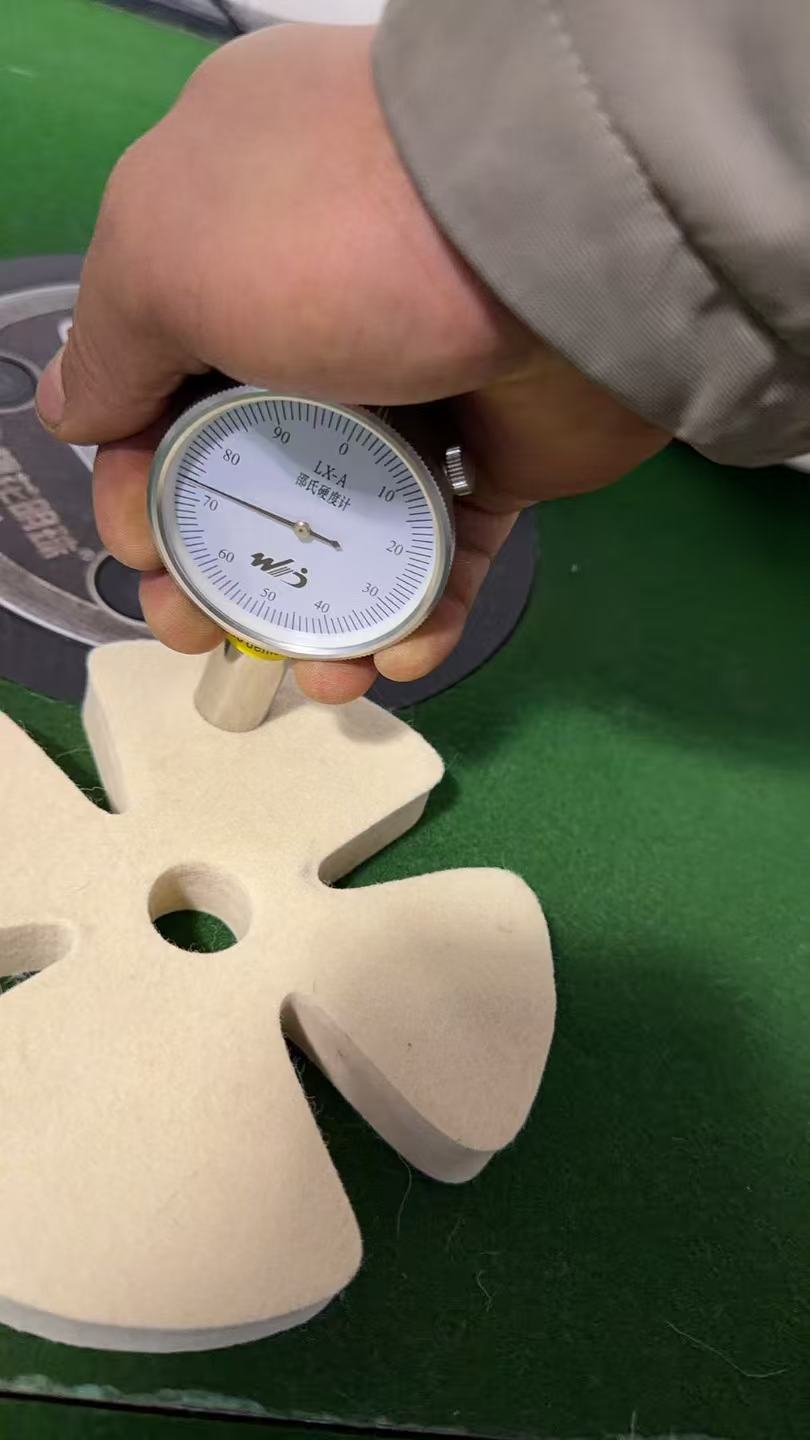
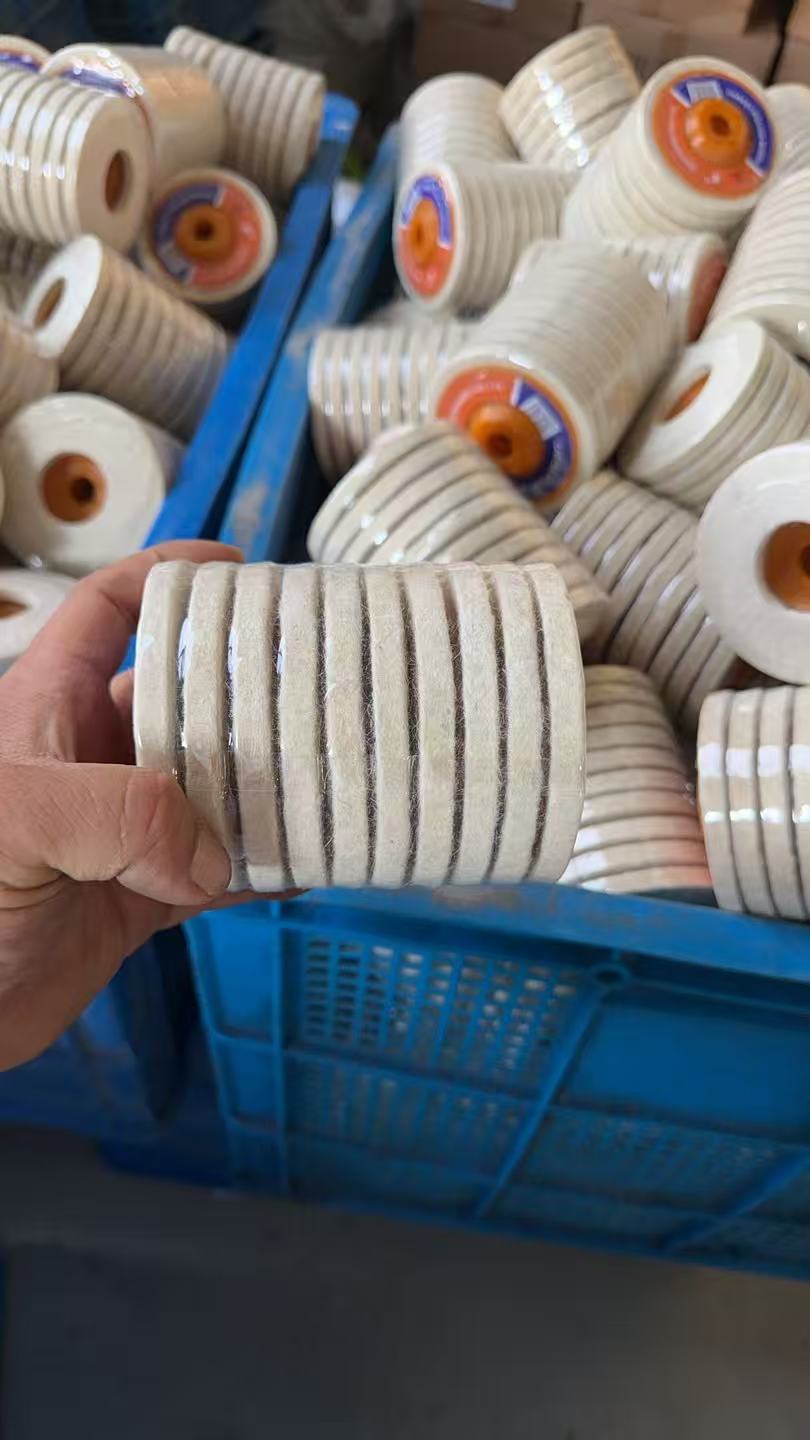
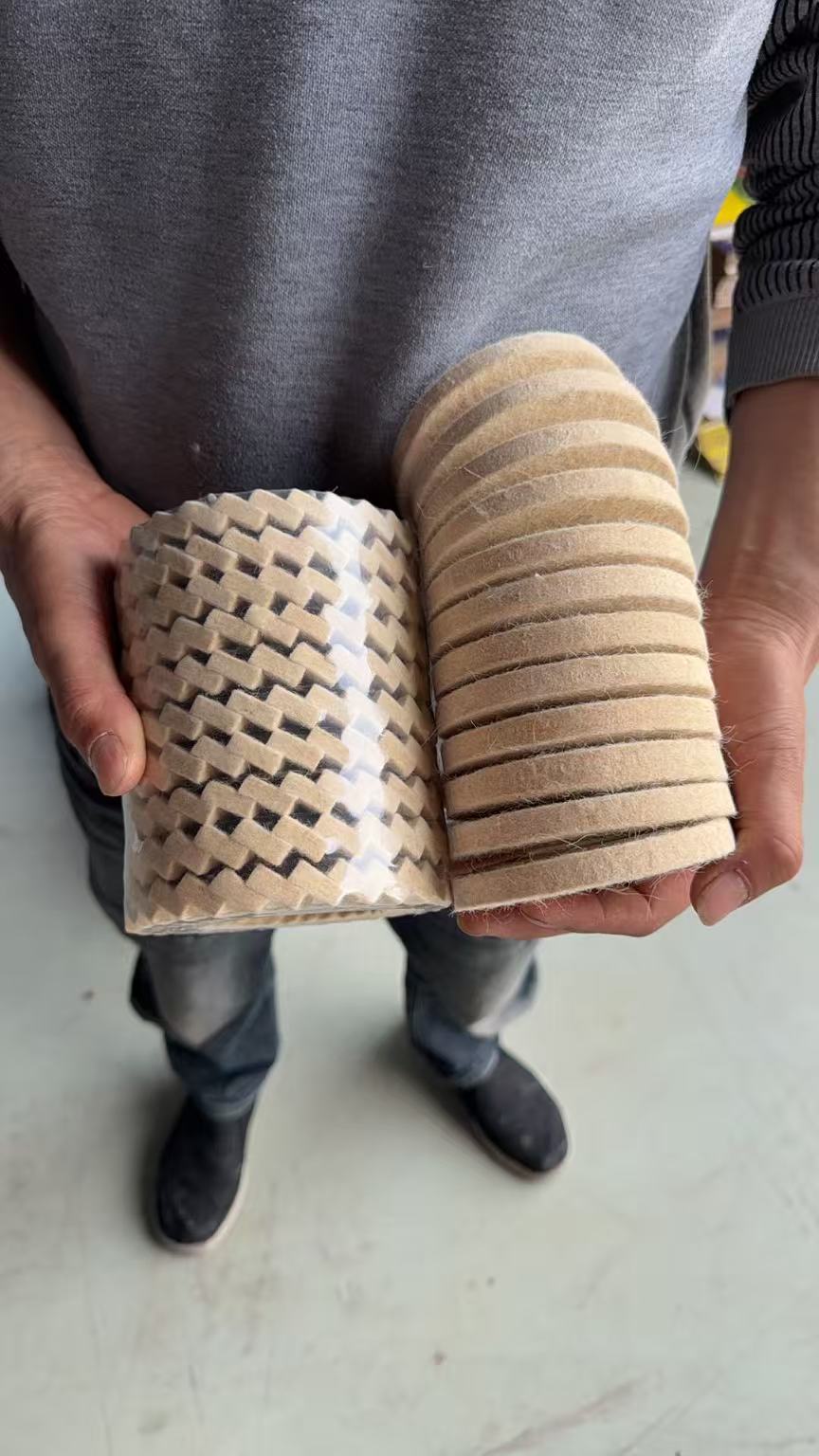
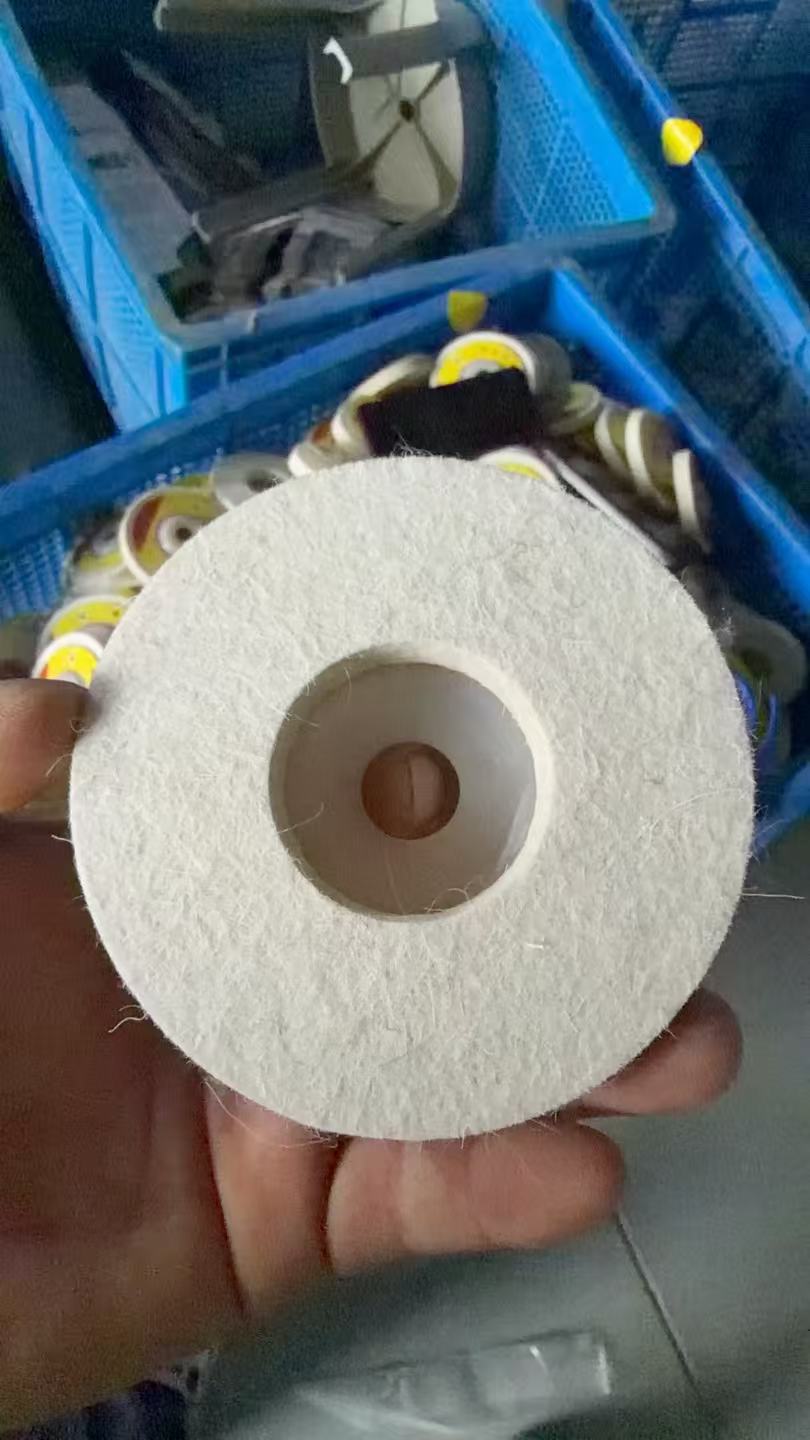
The photograph shows individual felt segments arranged around the disc. This distinguishes the product from a solid felt face or a loose-fiber wool pad. Discuss the actual contact area and part geometry when choosing a sample. The visible construction gives the product a clear identity, but it should not be used to invent claims about cooling, service life or stock-removal rate.
Angle-grinder fit requires more than a center hole
Record the grinder model, approved disc diameter, mounting arrangement and operating requirements. Match them to the exact supplied disc and its marking. A disc that can physically be installed is not automatically appropriate for the machine's speed or setup. If the product's rating or mounting instructions are unavailable, resolve that before use.
Start the trial after the correct preparation stage
Describe the workpiece and the condition left by earlier operations. A polishing trial should establish whether the selected disc and compound can achieve the target appearance from that starting point. If deep defects or geometry problems remain, review the preparation stage rather than expecting the felt disc to replace every previous abrasive step.
Application scenarios to evaluate
Use these scenarios to define a sample trial; suitability depends on the supplied specification and approved process.
| Buying situation | Selection focus | Trial objective |
|---|---|---|
| Trialing a felt-flap polishing stage on metal | Prepared surface, compound and contact geometry | Compare the completed appearance against the agreed reference. |
| Replacing a disc in an angle-grinder setup | Approved diameter, center interface and speed rating | Confirm the complete disc-machine combination before use. |
Specifications and selection details
| Construction construction | Overlapping pale felt flaps on a dark backing plate |
|---|---|
| Nominal sizes | 4, 5, 6 and 7 inches; custom sizes by inquiry |
| Product material | Wool |
| Required compatibility data | Actual diameter, bore, mounting arrangement and maximum rated RPM |
When to compare a flat felt disc
A flat hook-and-loop felt disc has a different face and attachment arrangement. Compare it when your equipment and intended contact area call for that format. For small localized areas, a mounted felt wheel may be the relevant comparison instead. Keep machine compatibility and workpiece access at the center of the decision, then assess finish on a representative sample.
Inspect the complete disc, not only the felt
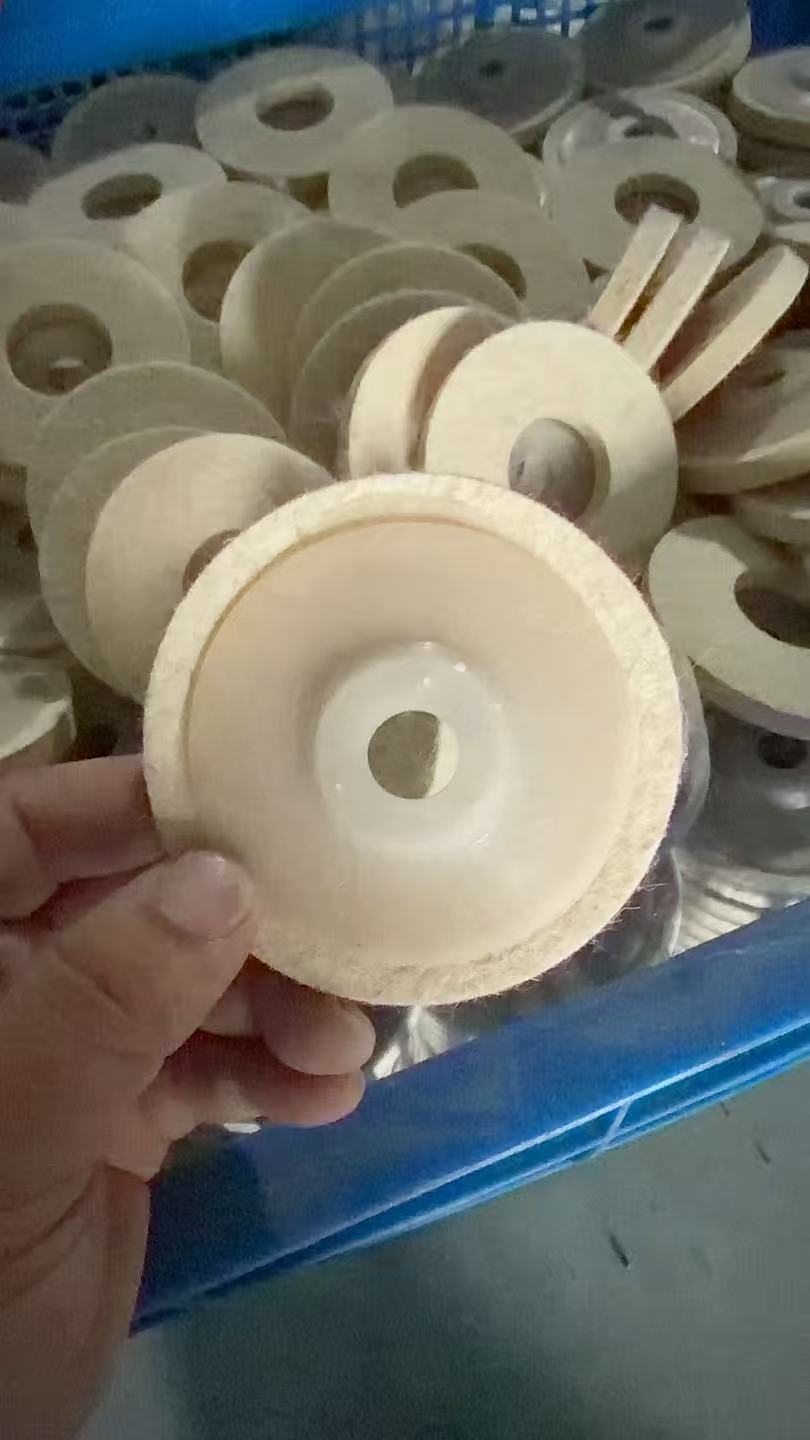
For incoming checks, compare the flap arrangement, overall dimensions, backing and center interface with the approved sample. Follow the supplier's inspection and discard instructions for any damage or separation. A change in backing or assembly construction deserves review even when the visible felt color has remained the same.
Qualify the wheel as part of the finishing sequence
Begin with the condition of the part before polishing. Define the required appearance and any dimensions that must be preserved. Use the exact approved wheel assembly and compound under their operating instructions, then inspect the finished feature using the agreed method. Retain the sample reference and process notes with the purchase specification. A later change in wheel geometry, felt construction or compound should be reviewed against that same acceptance standard.
Questions to investigate when the result changes
| Observation | What to review |
|---|---|
| The surface is brighter but defects remain | Inspect whether the defect belongs to an earlier preparation stage. Additional gloss does not prove that a scratch or dimensional problem has been removed. Reassess the sequence before extending the polishing operation. |
| Results change after a wheel replacement | Compare dimensions, mounting and the agreed felt specification with the approved sample. Also check whether the preparation or compound changed; a similar-looking wheel is not necessarily the same construction. |
| Uneven contact or unexpected vibration | Stop and inspect the assembly and mounting in accordance with the supplier's instructions. Check the actual fit and condition rather than trying to compensate with pressure or an improvised attachment. |
Frequently asked questions
Will it fit any angle grinder?
No. Match the disc size, mounting interface, approved setup and speed rating to the exact grinder. If the disc rating is unavailable, do not use it.
Is this the same as a flat felt polishing pad?
No. The photo shows a flap arrangement on a backing plate. A flat felt pad has a different working surface and may use a different attachment system.
Can this remove deep grinding marks in one step?
Do not plan a polishing process around that assumption. Identify the starting defect and choose an appropriate preparation sequence. Evaluate this felt disc at its intended stage with the approved compound and machine setup.
How do I choose a polishing compound?
Start with the actual workpiece material, any coating and the finish required. Use the compound supplier's recommendations and evaluate it with the intended felt assembly. Do not select a compound solely because its color looks familiar.
Can one felt tool be used for every polishing stage?
Keep the process and possible carryover in mind. Separate, clearly identified tools can help control different compounds and workpiece materials. Follow the applicable cleaning instructions rather than assuming a used tool is ready for a finer stage.
How should a repeat-order specification be recorded?
Keep a dimensioned description, material designation where applicable, mounting details, approved operating information and sample reference together. Add the compound and workpiece used in the accepted trial so substitutions can be assessed meaningfully.
Request a sample or a defined wholesale quotation
Send your required size and mounting details, workpiece material, finish target and machine model. If replacing an existing item, include its marking and front, reverse and side photographs. State the sample quantity, expected order quantity, packaging requirements and destination.
Ask for the proposed specification, included accessories, price, sample terms and lead time in the quotation. For a repeat purchasing program, keep the approved sample reference and the agreed inspection criteria with every order.
Send your requirements to Cornovo Abrasive