
Product Details
Discuss your application or request a sample
Choose the 8-inch format around the working area
This is the larger size-specific wool-pad option compared with Cornovo's 7-inch listing. Consider it when the approved machine setup and the area being polished call for this diameter. Review access near panel edges, contours and obstructions before choosing the assembly. A larger nominal face does not by itself guarantee a faster process or a better finish.
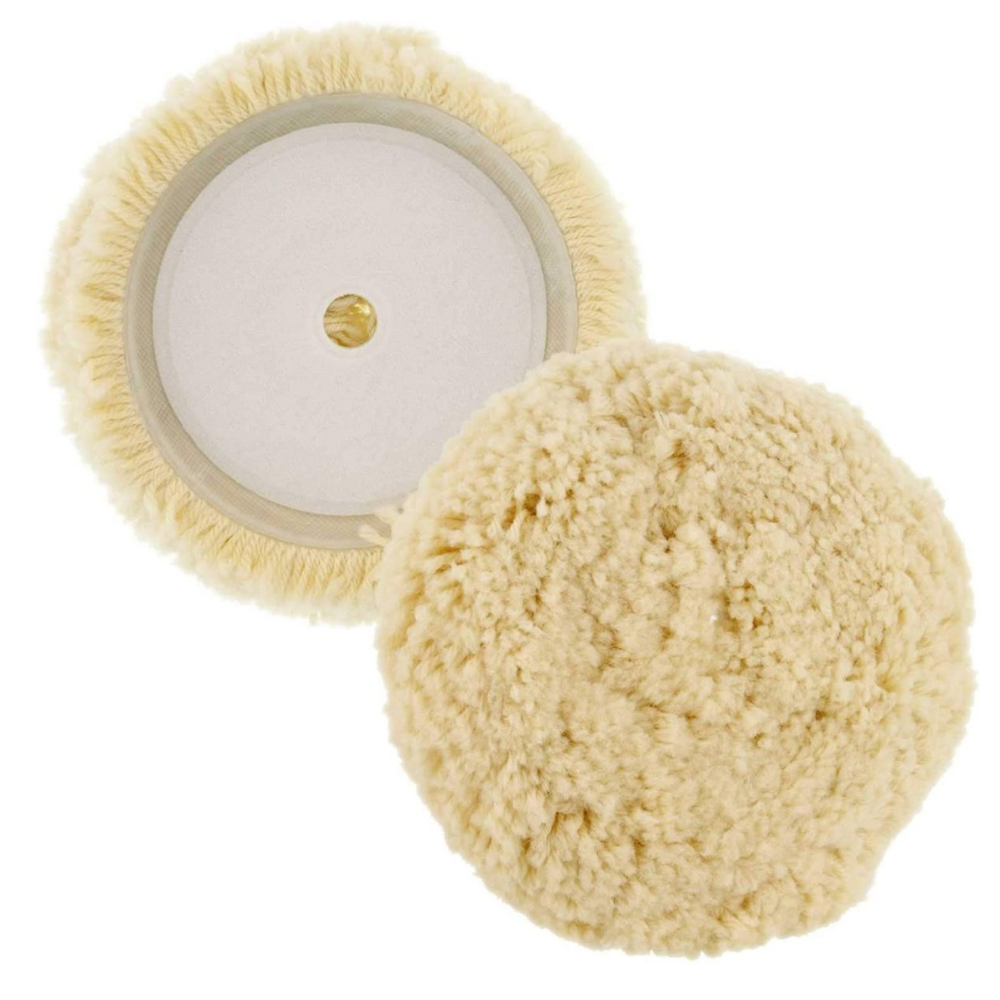
The reverse-side view answers the first fit question
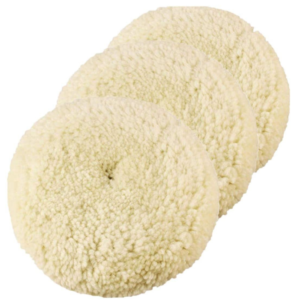
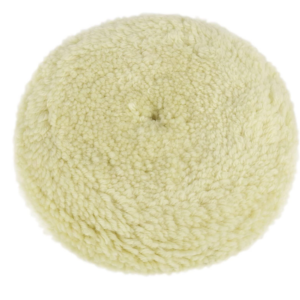
The photograph shows the working face and the reverse, including a metal-colored center fitting. That helps distinguish this pad from a flat hook-and-loop disc or an unbacked wheel. It does not identify a thread standard. Specify the actual interface and whether the mounting component is part of the supplied assembly so purchasing and operators agree on what will arrive.
Evaluate pad, compound and surface together
For a panel-polishing inquiry, describe the coating and the initial defect or appearance being addressed. For another material, identify the substrate and finish separately. Run the sample within the machine and consumable suppliers' instructions, then assess the completed polishing sequence. Keep the chosen compound and surface condition in the record so subsequent comparisons remain meaningful.
Application scenarios to evaluate
Use these scenarios to define a sample trial; suitability depends on the supplied specification and approved process.
| Buying situation | Selection focus | Trial objective |
|---|---|---|
| Evaluating an 8-inch pad for panel work | Approved machine setup and the available working area | Check handling, access near edges and the complete finish. |
| Replacing a pad with a center fitting | Measured interface, backing and any required adapter | Verify the reverse-side assembly as well as the fiber face. |
| Creating an 8-inch retail SKU | Package contents and customer mounting requirements | Make any separate adapter requirement explicit before sale. |
Specifications and selection details
| Nominal size | 8 inches |
|---|---|
| Product material | Wool |
| Construction mounting detail | Reverse-side center fitting; exact interface unspecified |
| Required order details | Fitting dimensions, backing construction, pile, rated speed and quantity |
8-inch versus 7-inch: make a practical comparison
Compare the two sizes using approved setups and representative work. Note access, handling and finish consistency rather than assuming the larger pad wins. If a task involves restricted areas, the complete smaller assembly may deserve a separate evaluation. Do not change to an unapproved diameter simply because the center fitting can be attached.
Specify the backing as part of repeat supply
A repeatable order includes the backing construction, attachment details, fiber face and nominal size. Keep reverse-side photos and a sample reference with the purchase record. If the backing or center assembly changes, treat that as a specification change, even when the product still appears similar from the working side. This is particularly important for distributors maintaining a replacement-parts range.
A practical sample check before a larger order
Start with a correctly identified pad and an approved machine-and-mounting assembly. Choose a representative test surface and use the intended compound system according to its instructions. Record the initial surface condition, the pad reference and the complete finishing sequence. Inspect the result after the process is complete, including any planned refinement stage. Keep a reference sample or photographs under consistent lighting so the workshop and purchasing team share the same acceptance standard.
Questions to investigate when the result changes
| Observation | What to review |
|---|---|
| Finish differs between trials | Compare the incoming surface, compound, pad condition and machine setup. Change one controlled variable at a time where practical, rather than changing the entire system and losing the basis for comparison. |
| Residue or fibers obscure the result | Follow the pad and compound suppliers' cleaning and inspection instructions before judging the surface. Do not introduce an unapproved solvent or cleaning method that could affect the pad assembly. |
| Unexpected vibration or poor seating | Stop and inspect the mounting, centering and condition of the complete assembly. Resolve any mismatch or damage before continuing; increased pressure is not a way to correct an unsuitable fit. |
Frequently asked questions
Is the center fitting 5/8-11 or M14?
Specify the measured interface required by your machine. A center-fitting photograph cannot reliably distinguish these thread standards. Match the actual drawing and supplied assembly before ordering.
Can I replace a 7-inch pad with this one?
Only if the machine and mounting-system instructions allow the larger assembly. Diameter, attachment and speed compatibility must all be checked.
How can I compare the 8-inch sample with my current pad?
Use the intended machine, a matching compound system and comparable surface conditions. Check fit first, then assess the final result and handling. Record differences in the backing, center interface and fiber construction before accepting it as a replacement.
Will a wool pad leave a swirl-free finish in one step?
Evaluate the complete pad-and-compound process on the intended surface. Some processes need a subsequent refinement step. Judge the finished result rather than relying on a universal one-step claim.
Can the same pad be used with different compounds?
A change of compound can introduce carryover from the previous process. Follow the suppliers' instructions and use a clear pad-identification system. Dedicated pads are useful when the finishing stages or materials need to remain separate.
What should I include in a sample request?
Give the pad size and attachment, machine model, workpiece or coating, compound system and target result. Add the quantity and destination, and identify whether you need a pad alone or a complete mounting assembly.
Request a sample or a defined wholesale quotation
Send your required size and mounting details, workpiece material, finish target and machine model. If replacing an existing item, include its marking and front, reverse and side photographs. State the sample quantity, expected order quantity, packaging requirements and destination.
Ask for the proposed specification, included accessories, price, sample terms and lead time in the quotation. For a repeat purchasing program, keep the approved sample reference and the agreed inspection criteria with every order.
Send your requirements to Cornovo Abrasive